Austria – Grossglockner & Tyrolean Alps, Austria
All road trips

Salzburg, Carinthia & Tyrol

Austria – Grossglockner & Tyrolean Alps

Salzkammergut lakes, the Grossglockner High Alpine Road and Tyrol

7 days~750 kmCalculating… drivingSalzburg → Sölden

Lakes, the Grossglockner and Tyrol, with short driving days.

Make This Trip Yours

Love the route? Change your starting point, adjust the duration and personalise the journey to suit your adventure.

Your Road Trip

SalzburgSölden

7 days · One-way

About this route

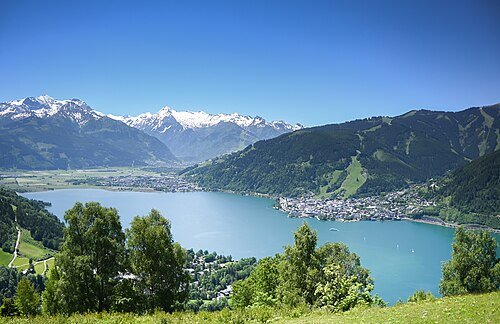
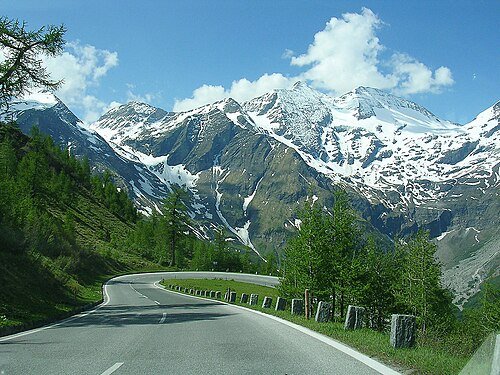
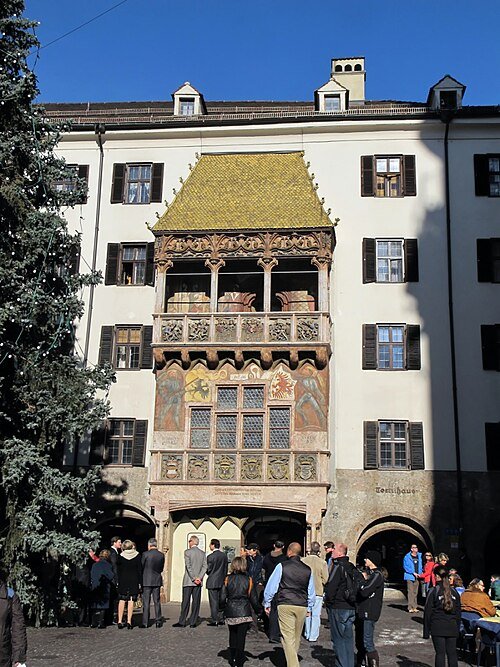
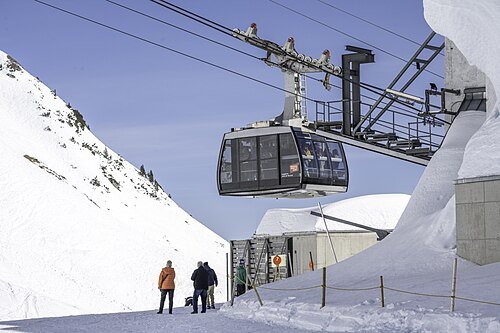
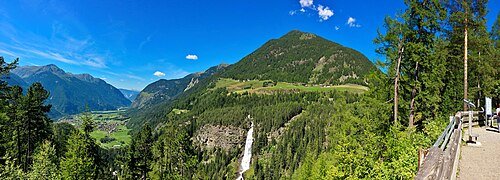
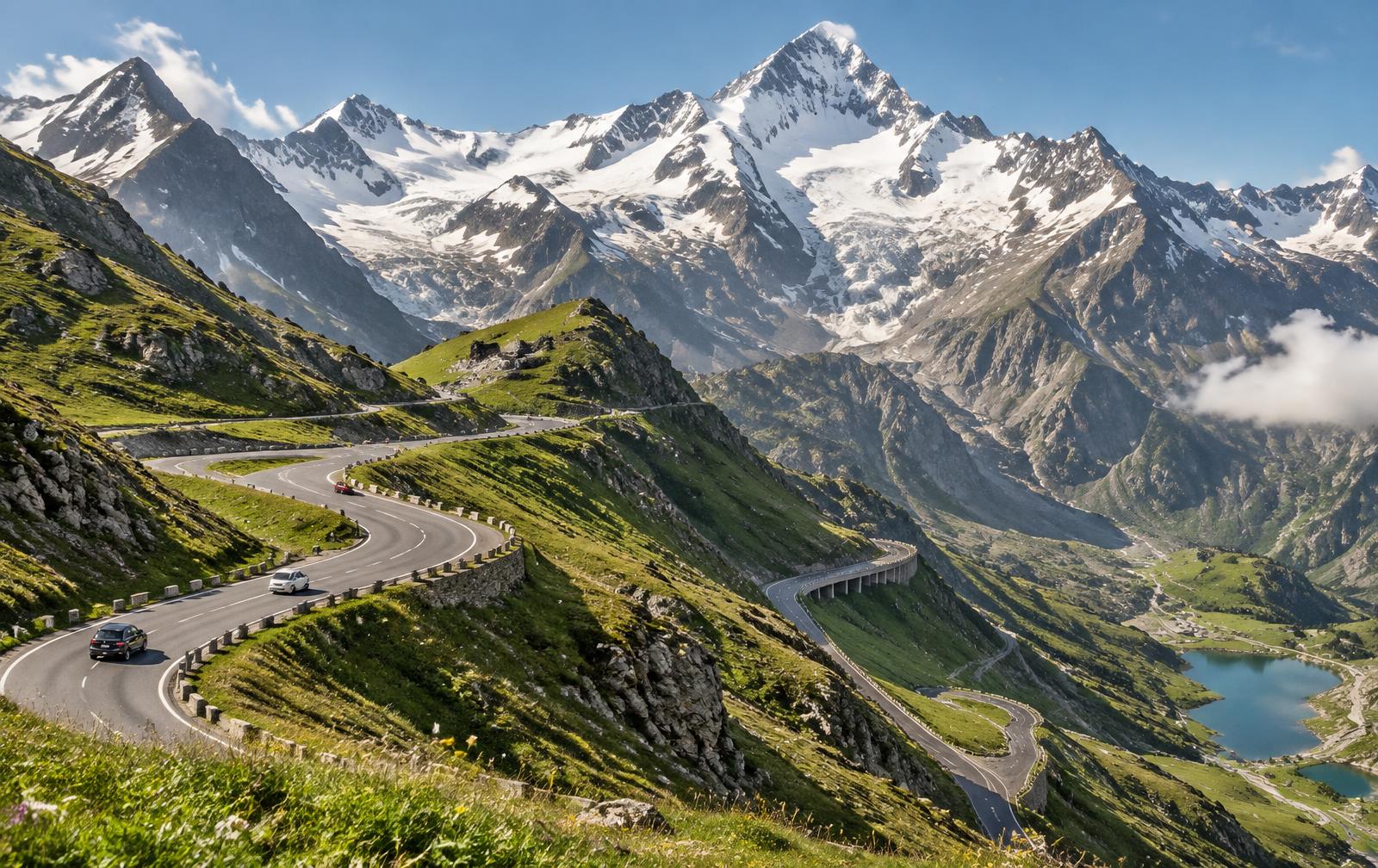
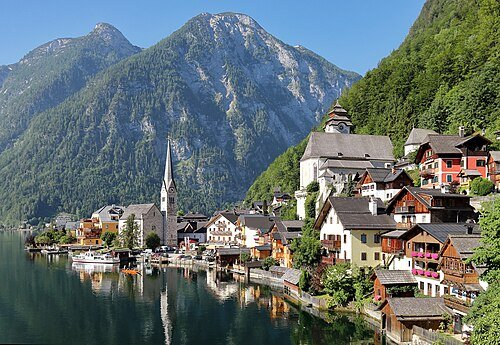
Austria's great alpine road trip in one week. Start with Salzburg's baroque old town, drive the lakes of the Salzkammergut to Hallstatt, then head for Zell am See and Kaprun before the signature day: the Grossglockner High Alpine Road, with hairpins, glacier views and Austria's highest mountain. From Lienz the route crosses back north to Innsbruck for a day of cable cars, villages and mountain lakes, finishing in the Ötztal at the Stuibenfall waterfall and Sölden. The full route is roughly 470 miles (750 km) and about 16–17 hours of actual driving, with short driving days so there is time to walk, ride cable cars and stop for views. The Grossglockner road is a seasonal toll road — check its current status before you go.

Mountain passesScenic drivesLakesHikingCable carsWaterfallsFamiliesCouplesCampervans

Day by day

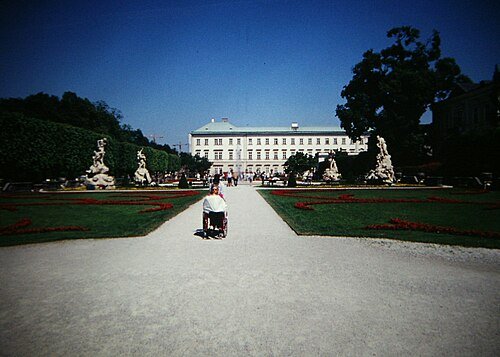
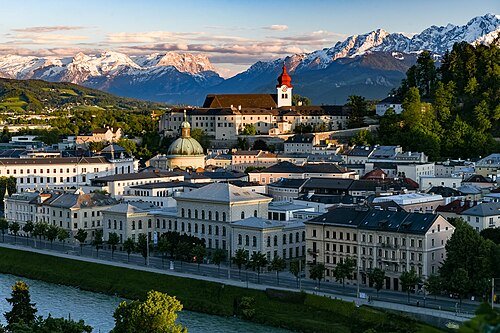
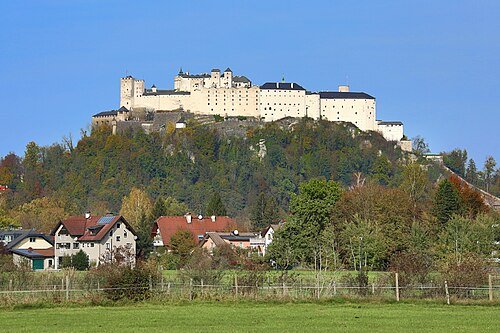
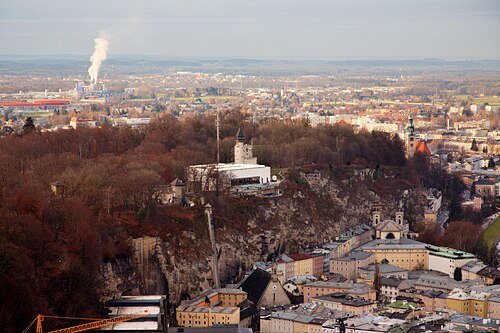
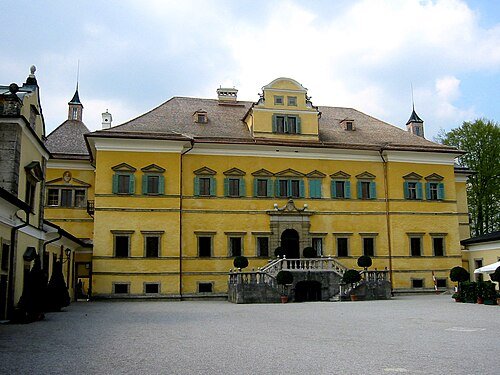
Today's drive: none — a walking day in the city. Morning: Mirabell Gardens and across the Salzach River to the old town. Lunch: a traditional café or beer garden in the historic centre. Afternoon: Hohensalzburg Fortress by funicular or on foot. Evening: sunset from the Mönchsberg. Optional: Hellbrunn Palace and its trick fountains.

  • Parking: use the Altstadt multi-storey garages or park-and-ride; large motorhomes should use a campsite and the bus.
  • Buy your Austrian vignette before driving on motorways tomorrow if you haven't already.
  • Family pick: Hellbrunn's trick fountains.
Weather on this route

Best travelled roughly June to September; the Grossglockner High Alpine Road is seasonal and usually closed in winter. Dates beyond the 16-day forecast window show a seasonal outlook.

Weather along the way

Checking the forecast for your dates…

Approximate costs

Indicative totals for 7 days, 2 adults. Fuel is based on the live route distance.

Budget

€500–€1,300

  • Accommodation€180–€420
  • Food & drink€180–€320
  • Attractions & activities€0–€210
  • Fuel€85–€130
  • Tolls€40–€80
  • Parking€35–€140

Comfort

€1,400–€2,600

  • Accommodation€650–€1,100
  • Food & drink€390–€650
  • Attractions & activities€210–€550
  • Fuel€85–€130
  • Tolls€40–€80
  • Parking€35–€140

Premium

€2,750–€5,400

  • Accommodation€1,300–€2,500
  • Food & drink€700–€1,250
  • Attractions & activities€550–€1,250
  • Fuel€85–€130
  • Tolls€40–€80
  • Parking€35–€140
  • Austrian motorways and expressways need a vignette (digital or sticker) for vehicles up to 3.5 t.
  • The Grossglockner High Alpine Road and the Felbertauern tunnel charge separate tolls — check current prices.
  • Cable cars are the main optional cost.
  • Estimates only — Roadly never quotes live prices.

Who this route suits

Families

excellent

Lakes, cable cars, waterfalls and short drives — great with children.

  • · Lakeside walks at Wolfgangsee, Hallstatt and Zell am See are easy.
  • · Cable cars (Schmittenhöhe, Nordkette) give mountain views without long walks.
  • · Marmots are often seen along the Grossglockner road.
  • · Long hairpin sections can be hard for children prone to travel sickness.

Campervans

excellent

A very good campervan route with campsites at every overnight.

  • · Lakeside campsites around Zell am See, Kaprun, Obertraun and Innsbruck.
  • · Use low gears on the Grossglockner descents.
  • · Hallstatt village has no space for campervans — park at Obertraun or the official car parks.

Motorhomes

moderate

Possible for confident drivers; take care on the Grossglockner and skip Kühtai.

  • · The Grossglockner is used by coaches, but it is long, steep and full of hairpins.
  • · Choose the Seefeld route rather than Kühtai on Day 6.
  • · Check vehicle weight: over 3.5 t needs a GO-Box instead of a vignette.

Electric vehicles

Charging is good in Salzburg, Zell am See, Lienz and Innsbruck and thinner on the high roads. Regenerative braking helps on the long Grossglockner descents.

  • · Austrian motorway vignette needed on the A10, A12 and other motorways.
  • · Separate tolls for the Grossglockner High Alpine Road and the Felbertauern tunnel — check current prices.

Practical travel notes

Best time to visit
June to September, when the Grossglockner road is normally open. Check current opening before you travel.
Driving side
Right. Overtake on the left.
Vignette
A vignette is required on Austrian motorways and expressways for vehicles up to 3.5 t. Heavier vehicles use the GO-Box toll system.
Grossglockner High Alpine Road
A seasonal toll road that can close because of snow or weather. Toll prices and opening dates change, so check the official Grossglockner website on the day. Steep gradients and many hairpins — use low gears on descents to avoid overheating brakes.
Parking
Paid parking in Salzburg, Hallstatt and Innsbruck. In Hallstatt use the official car parks outside the village; the centre is closed to traffic.
Fuel
Fill up in Zell am See or Bruck before the Grossglockner — there is no fuel on the high road itself.
Winter equipment
Winter tyres are required in wintry conditions from November to April; carry chains in the mountains.
Campervans
Good campsites around every overnight. Wild camping is generally not allowed — use campsites or official motorhome stopovers.
Motorhomes
The Grossglockner is driven by coaches and motorhomes, but it is long, steep and narrow in places — take it slowly. Avoid the Kühtai road and narrow village lanes in large vehicles.
Mobile signal
Generally good; patchy in high valleys. Download offline maps.
Hiking safety
Check weather and lift status, wear proper footwear and turn back in poor conditions. High alpine routes are for experienced hikers only.
Travelling with children
Cable cars, lakes, waterfalls and short driving days make this very family friendly.
Travelling with dogs
Austria is dog friendly; dogs usually need a lead and sometimes a muzzle on public transport and cable cars. Check ahead.

Roadly tips

  • · Drive the Grossglockner early in the morning for the clearest views and fewer cars.
  • · Arrive in Hallstatt early or late in the day — it gets extremely busy.
  • · Buy your Austrian vignette before joining the motorway.
  • · Try Kaiserschmarrn, Kasnocken, Tiroler Gröstl and Salzburger Nockerl.
  • · Keep one flexible day for bad weather in the mountains.
Loading map…

Highlights

Best time to go

J
F
M
A
M
J
J
A
S
O
N
D
bestgoodpossiblechallenging
  • Best travelled roughly June to September; the Grossglockner High Alpine Road is seasonal and usually closed in winter.
  • Opening dates change every year and the road can close at short notice for snow or storms — always check the official Grossglockner information before travelling.
  • Cable cars and mountain huts run seasonal timetables.
  • Alpine weather changes quickly; afternoon thunderstorms are common in summer.