- Getting to Corsica
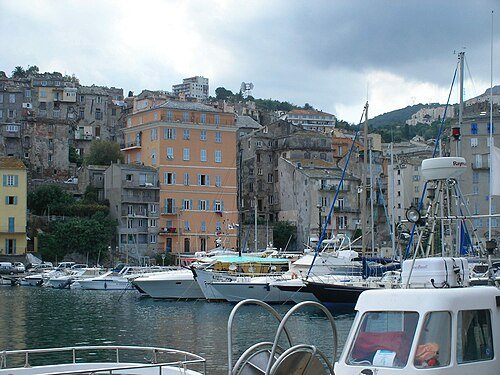
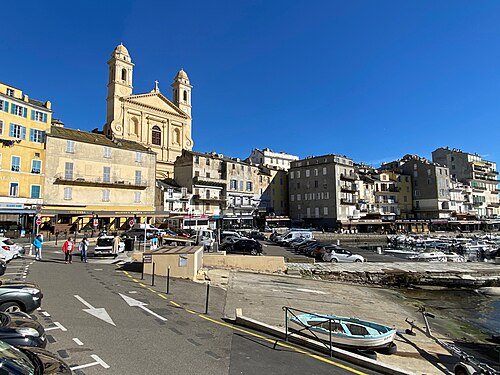
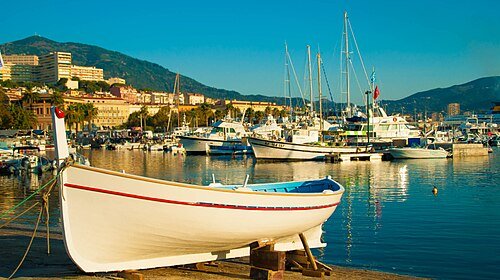
- Car ferries reach Bastia (and Ajaccio, Calvi, Île-Rousse, Propriano and Porto-Vecchio) from Nice, Toulon and Marseille in France, and Livorno, Savona and Genoa in Italy. Bonifacio links to Santa Teresa di Gallura in Sardinia. Routes are seasonal and timetables change — we don't list schedules or prices. Fares depend on vehicle length and height, so book campervans and motorhomes with correct dimensions, and arrive before check-in closes.
- Driving in Corsica
- Drive on the right. Corsica is not a place to estimate journey times from distance: many coastal and mountain roads are narrow, winding and full of hairpins, and averages of 25–35 mph are normal. Roadly's times allow for this.
- Road hazards
- Cows, pigs and goats roam freely on roads, especially inland. Expect cyclists, tour coaches on narrow sections, and drivers who know the bends better than you — pull in to let them pass.
- Fuel
- Stations are sparse on Cap Corse, the west coast between Calvi and Porto, and in the mountains. Fill up in towns.
- Parking
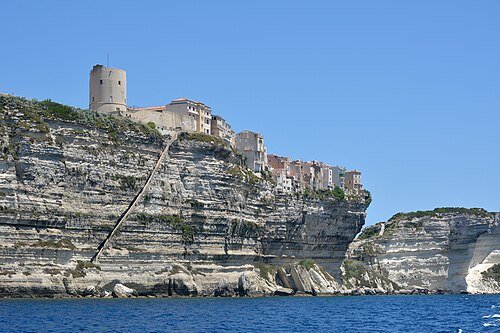
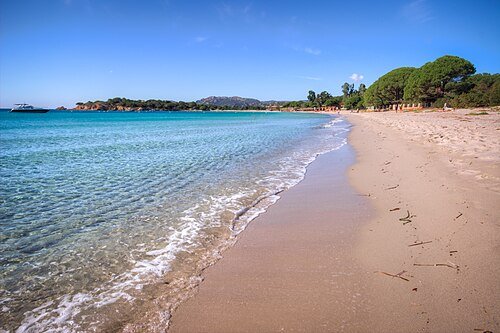
- Very tight in summer at Bonifacio, Calvi, Piana and the southern beaches. Arrive early; many beach car parks are paid.
- Historic centres
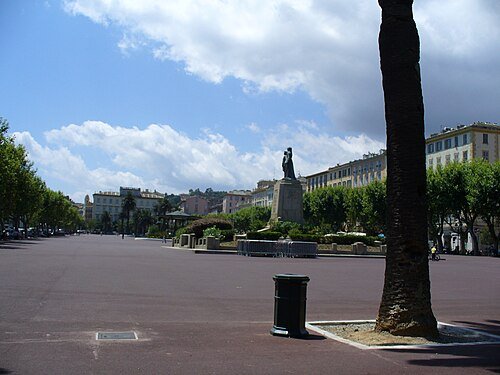
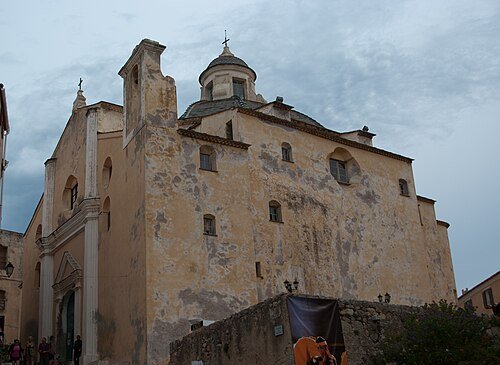
- Bonifacio's upper town, Calvi's citadel and parts of Bastia and Ajaccio restrict vehicles. Park outside and walk.
- Small campervans
- Van-conversions and small campervans manage the whole loop with care.
- Large campervans & motorhomes
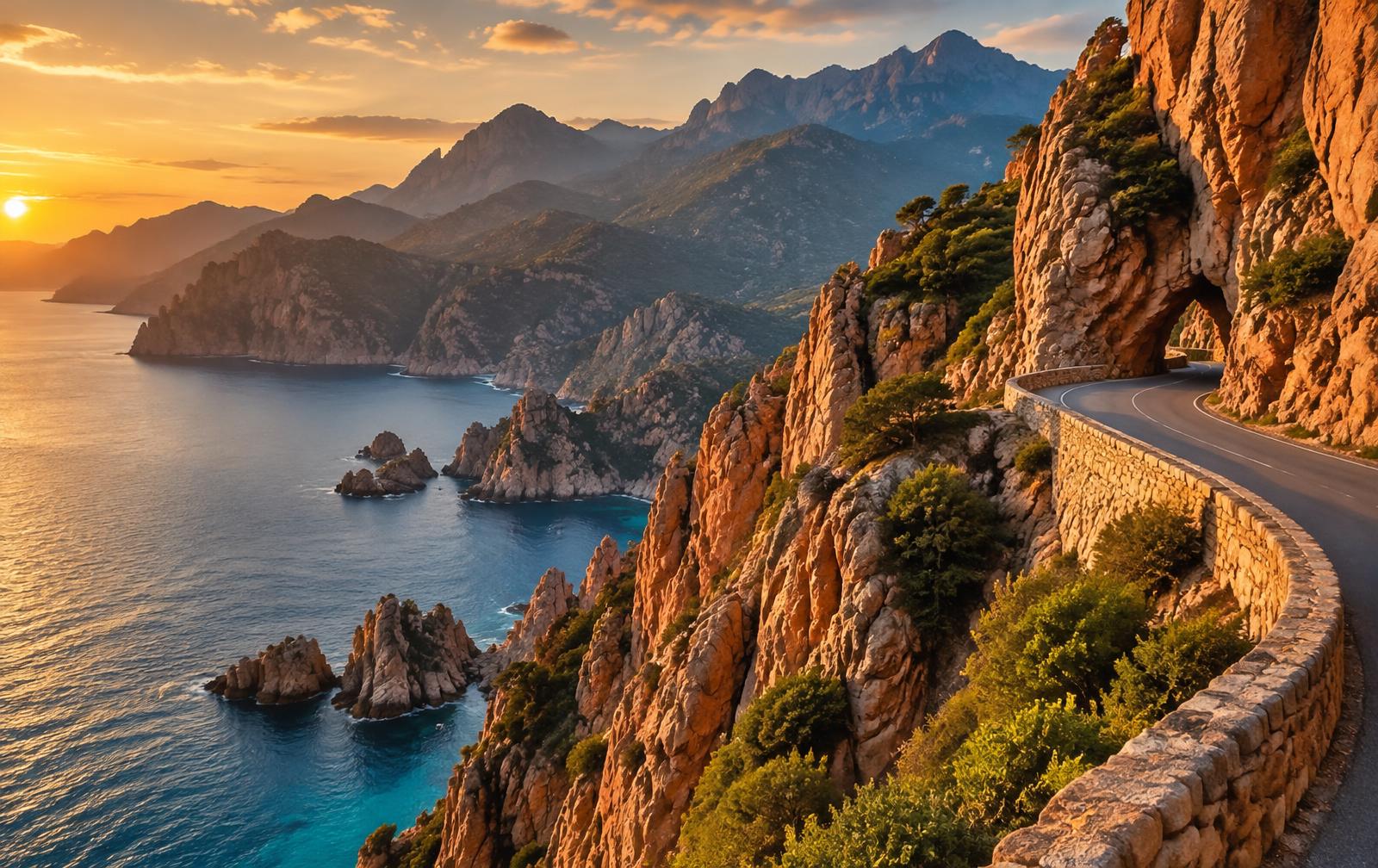
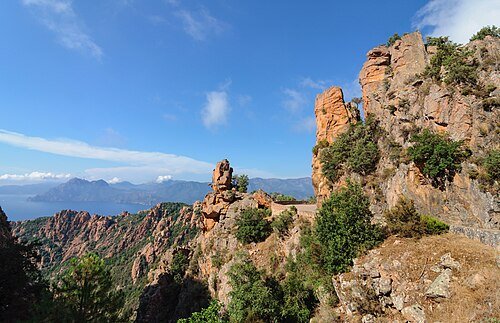
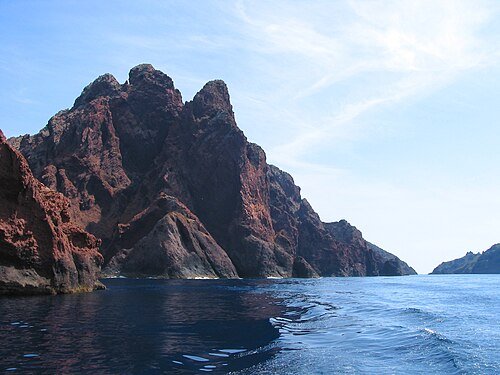
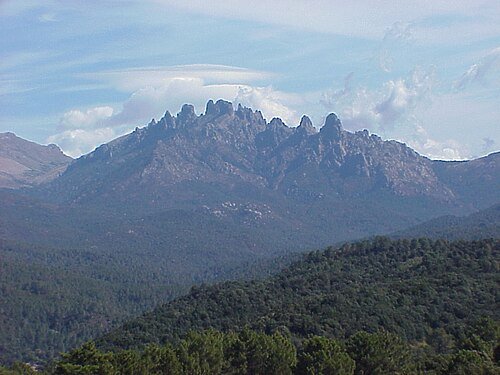
- Fine on the main east coast and Ajaccio roads. Cap Corse's west side, the D81 through the Calanques de Piana, the D81b to Galéria and the Bavella road are narrow and slow — drive them only if experienced, and outside peak hours.
- Caravans
- Not recommended on the Calanques de Piana, Cap Corse or Bavella roads. Use the main T-roads and base yourself at campsites.
- Wild camping
- Not permitted in much of Corsica, especially near beaches and in protected areas. Use campsites or signed motorhome areas.