Germany Romantic Road & Bavarian Alps, Germany
All road trips

Bavaria

Germany Romantic Road & Bavarian Alps

Medieval towns, fairytale castles and alpine lakes

7 days~710 kmCalculating… drivingWürzburg → Berchtesgaden

Würzburg to Berchtesgaden: Romantic Road towns, Neuschwanstein and the Bavarian Alps.

Make This Trip Yours

Love the route? Change your starting point, adjust the duration and personalise the journey to suit your adventure.

Your Road Trip

WürzburgBerchtesgaden

7 days · One-way

About this route

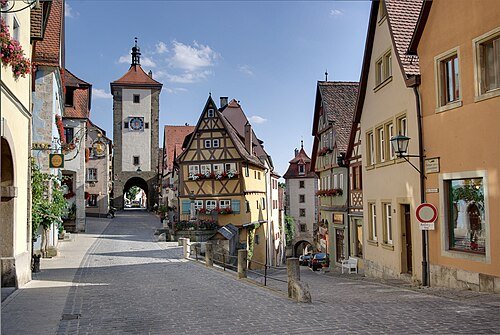
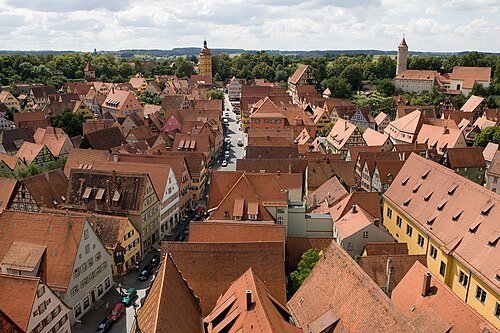
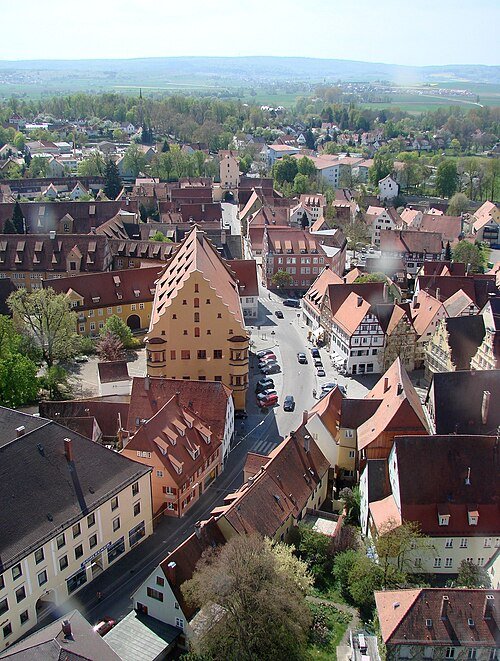
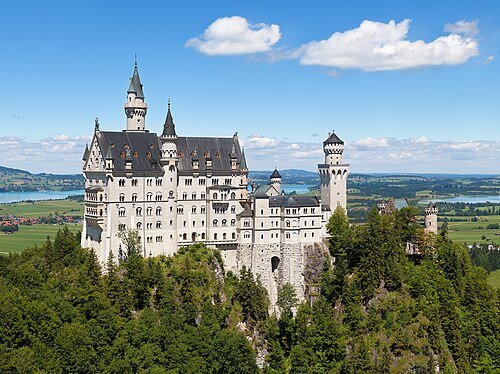
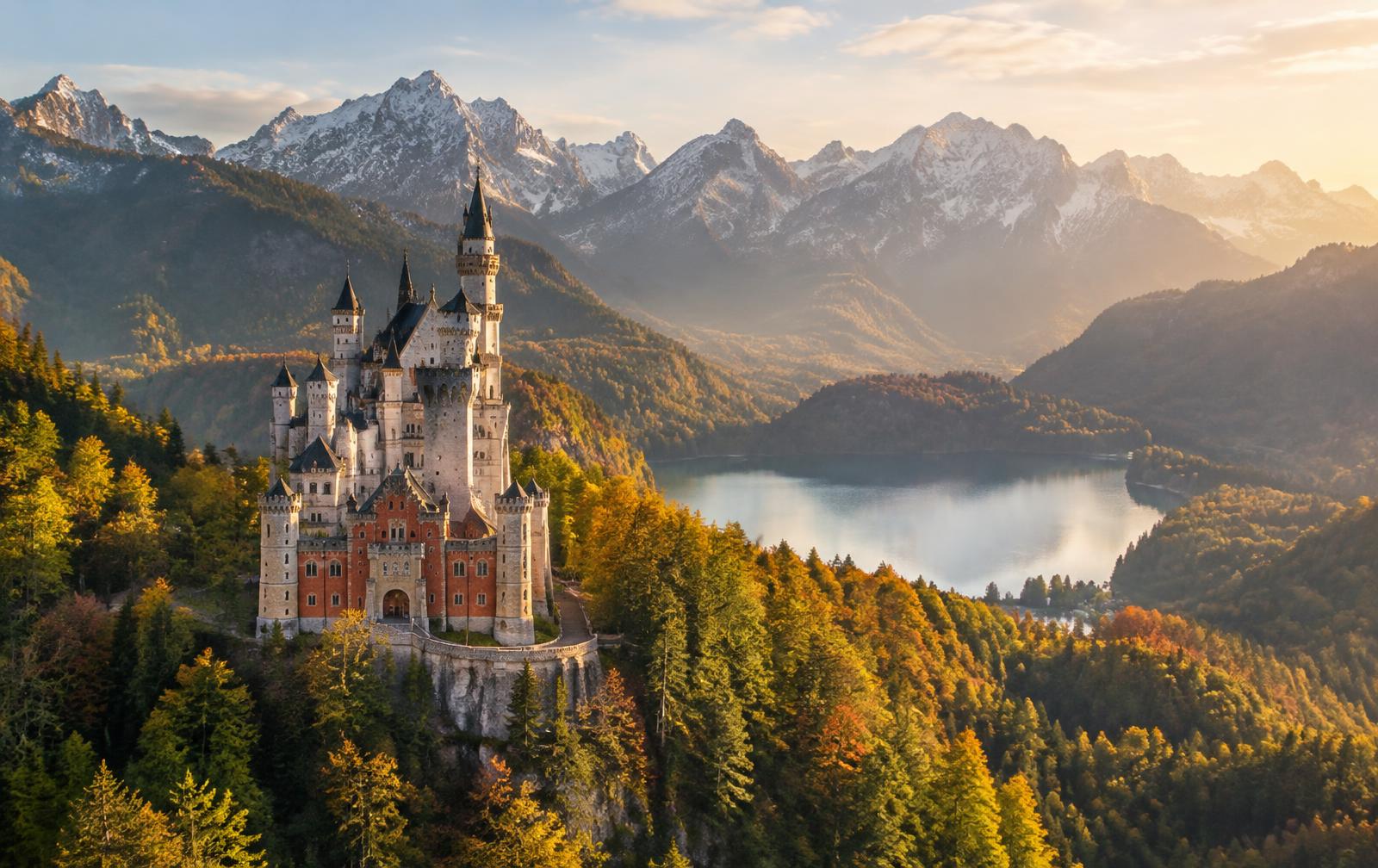
Germany's classic road trip in one week — or ten days at a gentler pace with city breaks in Augsburg and Munich. The seven-day route is roughly 440 miles (710 km) and about 14–15 hours of actual driving; the ten-day pace adds the Munich detour, taking it to around 530 miles and 18–19 hours. The first half follows the Romantic Road through wine country and walled medieval towns — Würzburg, Rothenburg ob der Tauber, Dinkelsbühl and Nördlingen — before Augsburg and Landsberg mark the shift into southern Bavaria. The second half is pure alpine scenery: Neuschwanstein and Hohenschwangau above the Alpsee, Oberammergau and Ettal Abbey, Garmisch-Partenkirchen under the Zugspitze, the lakes of Chiemsee and finally Berchtesgaden and the Königssee. Easy driving overall, suited to cars, campervans and motorhomes, couples and families — with clear notes on old-town access, low-emission zones and mountain roads.

CastlesHistoric townsMountainsLakesScenic drivesHikingFamiliesCouplesCampervansFood

Day by day

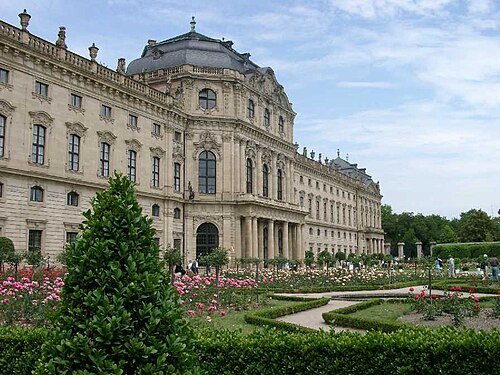
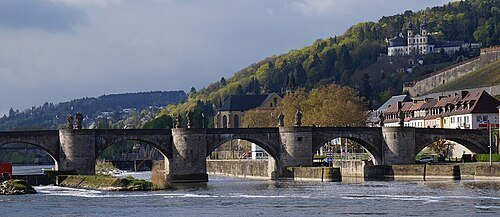
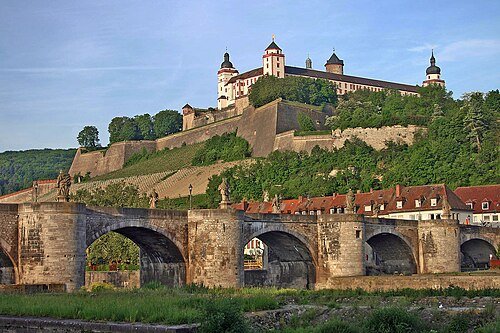
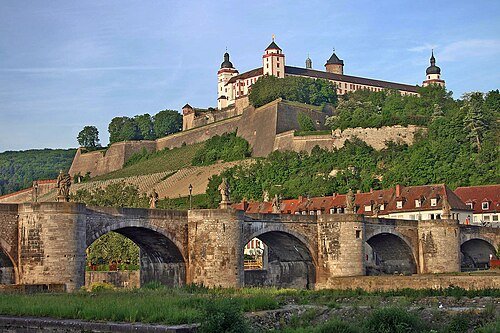
Today's drive: about 50 miles / 1 hr 15 min — an easy first day. Morning: Würzburg Residence and its gardens. Lunch: old-town café or wine tavern by the Old Main Bridge. Afternoon: optional vineyard viewpoint at Marienberg, then the Tauber Valley. Evening: walk the walls of Rothenburg and join the Night Watchman's tour.

Roads: B19 · Romantic Road (Tauber Valley)

  • Parking: central multi-storeys in Würzburg (height limits apply — motorhomes use Talavera car park by the river).
  • Rothenburg old town is restricted — park outside the walls.
  • Highlight: baroque architecture, Franconian wine region and medieval atmosphere.

Weather on this route

Best travelled roughly May to October; May, June and September usually balance weather and visitor numbers best. Dates beyond the 16-day forecast window show a seasonal outlook.

Weather along the way

Checking the forecast for your dates…

Approximate costs

Indicative totals for 7 days, 2 adults. Fuel is based on the live route distance.

Budget

€430–€1,000

  • Accommodation€150–€360
  • Food & drink€180–€280
  • Attractions & activities€0–€180
  • Fuel€80–€120
  • Parking€30–€85

Comfort

€1,250–€2,300

  • Accommodation€600–€1,000
  • Food & drink€350–€600
  • Attractions & activities€180–€490
  • Fuel€80–€120
  • Parking€30–€85

Premium

€2,450–€4,900

  • Accommodation€1,200–€2,400
  • Food & drink€650–€1,200
  • Attractions & activities€490–€1,100
  • Fuel€80–€120
  • Parking€30–€85
  • Approximate fuel: about 45–55 litres for a car, 65–80 litres for a campervan or motorhome.
  • No road tolls in Germany for cars and motorhomes under 3.5 t. Austrian extensions need a vignette.
  • Castle tickets, cable cars and the Königssee boat are the main optional costs — check current prices.
  • Estimates only — Roadly never quotes live prices.

Who this route suits

Families

excellent

Castles, boats, cable cars and short drives — great with children.

  • · Best for young children: the Rothenburg wall walk, Alpsee lakeshore, Eibsee path and the Königssee electric boat.
  • · Berchtesgaden salt mine has slides and an underground raft — a big hit with kids.
  • · Cable cars (Zugspitze, Jenner) give easy access to mountain views.
  • · Neuschwanstein involves an uphill walk or shuttle/carriage — plan for little legs.

Campervans

excellent

Stellplätze and campsites at every overnight; easy roads.

  • · Wohnmobilstellplätze near Rothenburg, Dinkelsbühl, Nördlingen, Füssen, Garmisch and Berchtesgaden.
  • · Lakeside campsites at Alpsee/Forggensee, Chiemsee and Königssee.
  • · Park4Night lists many approved stopovers along the Romantic Road.

Motorhomes

good

Straightforward roads; avoid old-town centres.

  • · Medieval old towns have narrow gates and restricted access — park outside the walls.
  • · Hohenschwangau village: use the large P4 car park; the castle access road is closed to private traffic.
  • · Kehlsteinhaus road is closed to private vehicles; Rossfeld road is steep with tight sections.
  • · Vehicles over 3.5 t have lower speed limits and may face weight restrictions on minor roads.

Electric vehicles

Charging is widespread across Bavaria, including fast chargers on the A7 and A8. Alpine climbs drain batteries faster. Roadly EV mode will plan charging stops when your vehicle is configured.

  • · No road tolls in Germany for cars and vehicles under 3.5 t (Rossfeld panoramic road charges a toll).
  • · Seven-day route about 440 miles (710 km); the ten-day pace adds Munich and Augsburg, taking it to roughly 530 miles and 18–19 hours of driving.

Practical travel notes

Best time to visit
Roughly May to October. May, June and September often balance weather and crowds; July and August are busiest.
Recommended duration
7 days; the 10-day version adds Augsburg and Munich as relaxed city breaks and splits the alpine lake days — Salzburg remains an easy side trip from Berchtesgaden.
Driving on the right
Germany drives on the right and overtakes on the left. Never overtake on the right on the Autobahn. Priority to the right applies at unmarked junctions.
Autobahn & speed limits
Not all Autobahn sections are unrestricted — many have fixed or variable limits. Where no limit is posted, 130 km/h is the advisory speed. Defaults: 50 km/h in towns, 100 km/h outside. Vehicles over 3.5 t have lower limits. Always follow posted signs and current regulations.
Low-emission zones
Augsburg and Munich have Umweltzonen requiring a green emissions sticker (Umweltplakette), ordered in advance. Check current rules for other towns before you go.
Parking
Blue 'P' signs with a disc symbol need a parking disc (Parkscheibe) set to your arrival time. Old towns in Rothenburg, Dinkelsbühl and Nördlingen are largely restricted — use the signed car parks outside the walls.
Fuel
Plentiful along the route; fill up before the alpine stretches. Motorway services are the most expensive.
Winter tyres
Germany requires winter tyres in wintry conditions (situational law). Carry snow chains in the Alps in winter.
Mountain roads
The Rossfeld panoramic road is a toll road with steep sections and seasonal conditions. The B2/Ettal climb (Ettaler Berg) is steep — use low gears on descents. The road to Kehlsteinhaus is closed to private vehicles; use the official bus.
Campervan access
Excellent: Germany has many Wohnmobilstellplätze (motorhome stopovers) with service points, plus well-run campsites at every overnight.
Motorhome access
Large motorhomes should avoid driving into the walled old towns and the narrow lanes around Hohenschwangau — use the large signed coach/motorhome car parks and walk or shuttle.
Weather
Summer storms can build quickly over the Alps in the afternoon. Pack layers and waterproofs.
Mobile signal
Generally good; patchy in alpine valleys and around Königssee. Download offline maps.
Castle tickets
Neuschwanstein and Hohenschwangau use timed entry — booking online in advance is strongly recommended in season. Availability is never guaranteed. We don't list opening times or prices — check official sites.
Hiking safety
Weather changes rapidly; check lift and trail status, wear proper footwear, carry water and avoid difficult routes in poor conditions. Some alpine routes are unsuitable for inexperienced hikers or young children.
Travelling with children
Castles, boat trips, cable cars, the salt mine and easy lakeside walks make this very family friendly. Driving days are short.
Travelling with dogs
Germany is dog friendly — dogs are welcome in many restaurants and on some boats and lifts. Castle interiors generally don't allow dogs; check ahead.
Border crossings
Optional extensions to Salzburg, Tyrol or Hallstatt cross into Austria (Schengen, usually no checks but carry ID). Austrian motorways need a digital vignette.
Roadly tips

  • · Book Neuschwanstein timed tickets online well before you travel in summer.
  • · Order your green Umweltplakette before you arrive if you plan to drive into Augsburg or Munich.
  • · Park outside the medieval walls in Rothenburg, Dinkelsbühl and Nördlingen.
  • · Arrive at Neuschwanstein and Königssee early to beat the crowds.
  • · Try Käsespätzle, Schweinebraten with dumplings, a fresh pretzel and Schneeballen in Rothenburg.
  • · Keep a parking disc in the car for blue 'P' zones.
Loading map…

Highlights

Best time to go

J
F
M
A
M
J
J
A
S
O
N
D
bestgoodpossiblechallenging
  • Best travelled roughly May to October; May, June and September usually balance weather and visitor numbers best.
  • July and August are the busiest months, especially around Neuschwanstein and Königssee.
  • Alpine weather can change quickly — no forecast is guaranteed.
  • Some mountain roads, cable cars and attractions (e.g. Kehlsteinhaus, Rossfeld) have seasonal operating periods.
  • Winter is a very different trip: winter tyres, snow equipment and adjusted routing may be required.