- Seasonal road restrictions
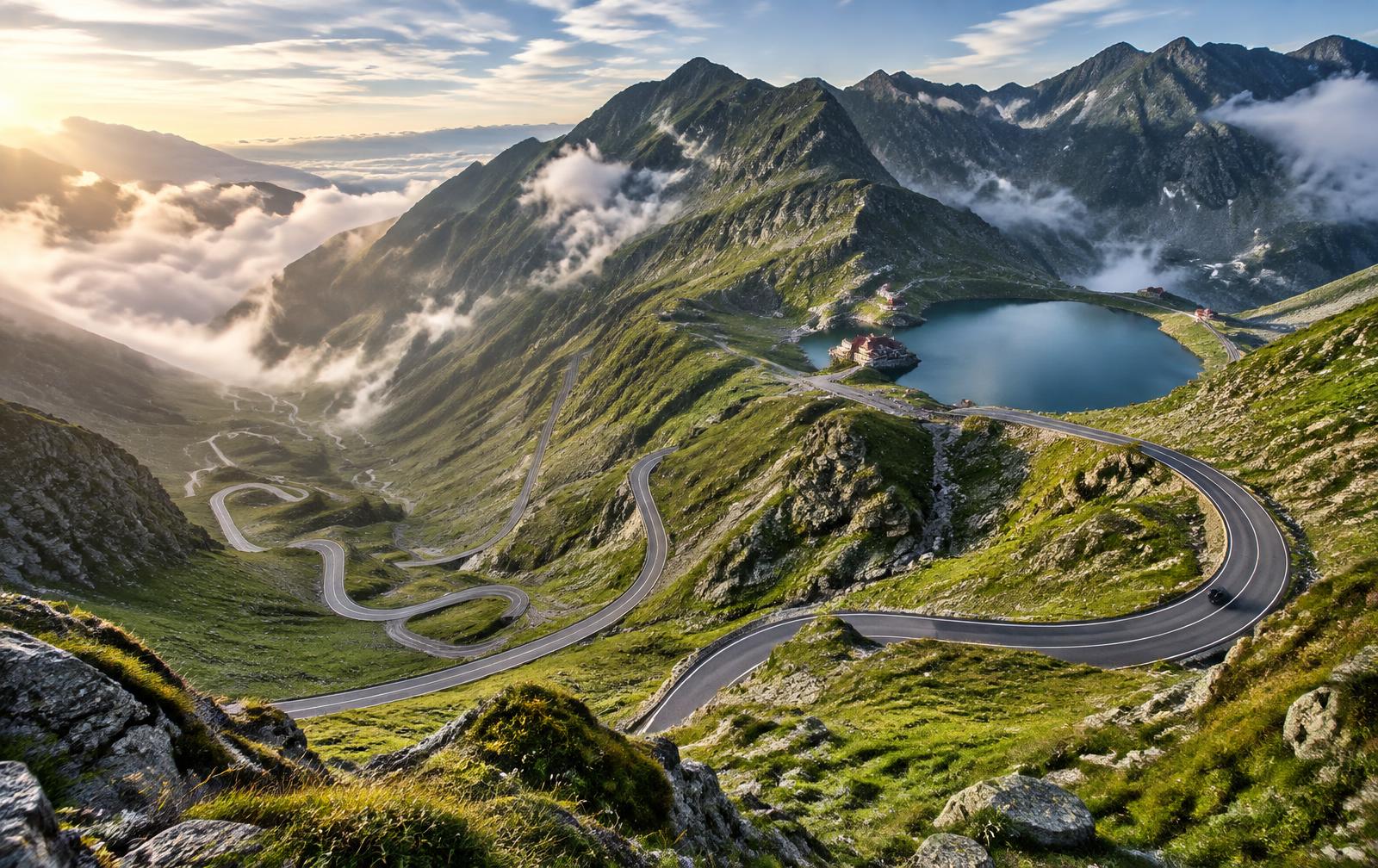
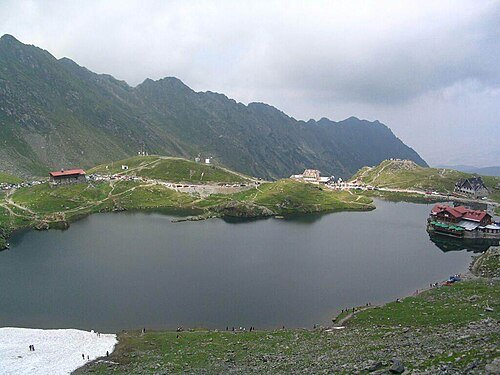
- The high section of the Transfăgărășan (around Bâlea Lake) is closed for much of the year and can close at short notice in summer too. Check the official road status before setting off and never drive past closure barriers. Roadly's 'Transfăgărășan closed' version routes you around it.
- Driving the Transfăgărășan
- Expect hairpins, steep gradients, long descents, sudden weather changes, slow traffic, cyclists, motorbikes and animals (including bears — never feed them or leave the car to approach). Use engine braking and low gears rather than riding the brakes, drive in daylight, fill up beforehand, and stop only at safe, designated viewpoints. It's a scenic road, not a racetrack.
- Road vignette
- A rovinieta is required on national roads. Buy it online or at fuel stations before your first drive.
- Roads
- Main roads are generally good but busy with lorries; the DN1 Bucharest–Brașov is notoriously slow on weekends. Rural roads can have horse-drawn carts, potholes and livestock.
- Parking
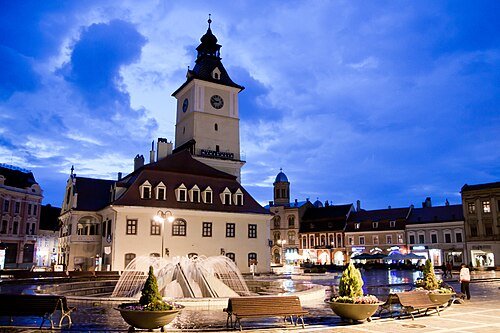
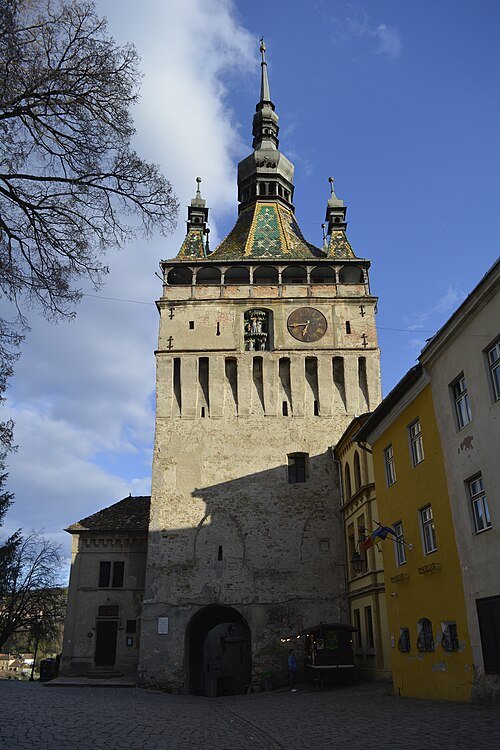
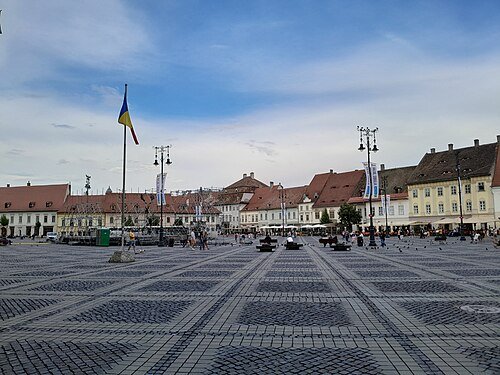
- Historic centres in Brașov, Sighișoara and Sibiu are best explored on foot — use car parks on the edge. Bâlea Lake parking fills early in summer.
- Fuel
- Fill up in Sibiu or Cârțișoara before the Transfăgărășan — there are no fuel stations on the high road.
- Campervans
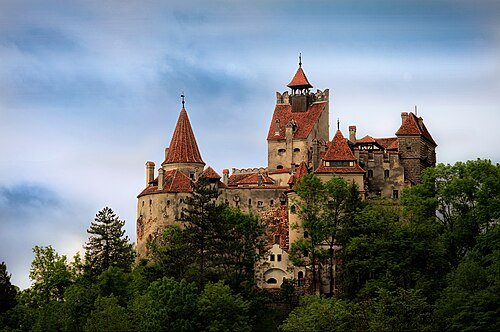
- Campsites around Sinaia, Brașov, Bran, Sighișoara, Sibiu and Curtea de Argeș. Small campervans manage the Transfăgărășan comfortably with care.
- Motorhomes
- Possible on the Transfăgărășan for confident drivers, but hairpins are tight, descents long and parking at Bâlea Lake very limited. Large motorhomes and caravans should consider the Olt valley alternative.
- Wildlife
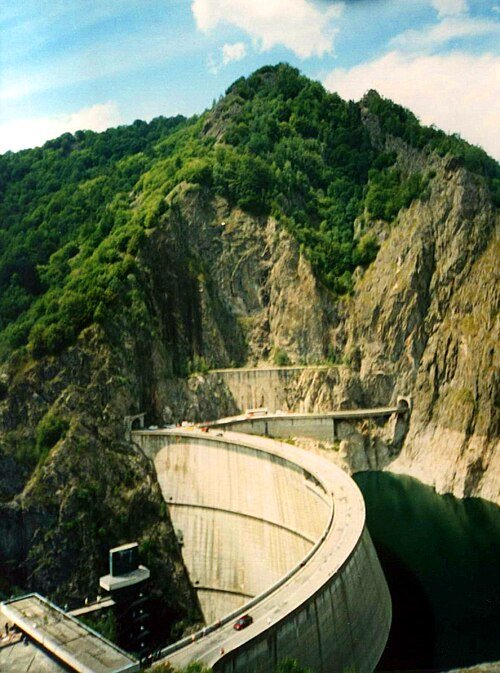
- Brown bears are common, especially along the Transfăgărășan and around Vidraru. Stay in your vehicle, don't feed them, and keep food sealed at campsites.
- Travelling with children
- Castles, cable cars and Bâlea Lake are great for families. Mountain bends can cause car sickness.